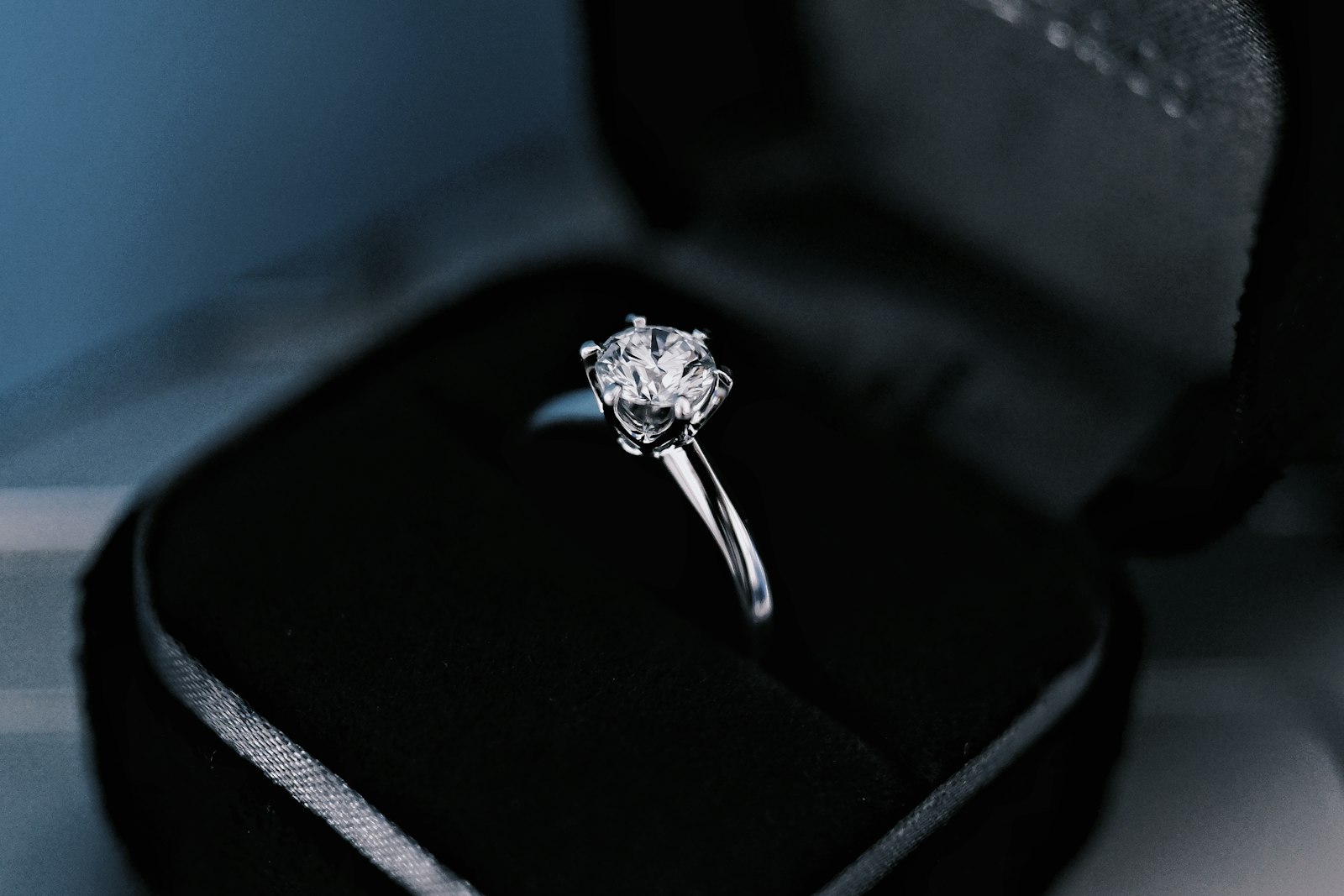
Lab-grown diamonds are real diamonds made in a laboratory. Knowing how they differ from mined stones helps you choose with confidence.
What to remember
- Lab-grown diamonds have the same chemical makeup and physical properties as mined diamonds.
- Under FTC guidance, sellers should clearly disclose that a diamond is lab-grown, for example as "laboratory-grown" or "laboratory-created."
- Simulants such as cubic zirconia and moissanite are different materials, not diamonds.
- Both types can be graded using the 4Cs, so ask for a grading report for a significant purchase.
Lab-grown diamonds have become a common choice for engagement rings and gifts. They’re real diamonds, but there are differences worth understanding before you buy.
How they compare
| Lab-grown diamond | Mined diamond | Simulant (e.g., cubic zirconia) | |
|---|---|---|---|
| Material | Diamond (carbon) | Diamond (carbon) | Different material |
| Appearance | Same as mined | Same as lab-grown | Similar, but different properties |
| Graded with the 4Cs | Yes | Yes | Not as a diamond |
| How it’s described | Must be disclosed as lab-grown | Diamond | By its own name |
How sellers should describe them
The Federal Trade Commission’s Jewelry Guides recognize lab-grown diamonds as diamonds, but say sellers should clearly disclose that they were made in a laboratory, using terms such as “laboratory-grown,” “laboratory-created” or the manufacturer’s name with “created.” A diamond described simply as a “diamond” without qualification is understood to be mined.
Simulants, such as cubic zirconia, moissanite and glass, aren’t diamonds and shouldn’t be described as diamonds.
Buying tip: Check the description and the receipt for the words “lab-grown” or “laboratory-created.” If a stone’s origin isn’t stated, ask, and get the answer in writing.
Grading reports
Both lab-grown and mined diamonds can be graded for cut, color, clarity and carat weight. For a significant purchase, a report from an independent laboratory gives you an objective description. Our guide to the 4Cs explains what the grades mean.
Choosing between them
- Budget: lab-grown diamonds usually cost less for a similar size and quality.
- Preference: some buyers value a mined stone’s natural origin; others prefer a lab-grown stone.
- Resale: if you might sell the piece one day, ask about resale value before you buy, as it varies widely.
Before you buy: Whichever you choose, compare prices from more than one seller and read the return policy carefully. Our checklist for buying jewelry as a gift covers the key questions.
Ask the right questions
Ask whether the stone is natural or lab-grown, whether it has been treated, and whether it comes with a grading report. A trustworthy seller will answer clearly and put the details on your receipt.
Common jewelry questions
Can you tell a lab-grown diamond from a mined one by eye?
No. They look the same to the naked eye, and telling them apart requires specialist equipment, which is why disclosure and grading reports matter.
Are lab-grown diamonds cheaper?
They usually cost less than mined diamonds of similar size and quality. If resale value matters to you, ask about it before you buy, as it can vary widely.
Is moissanite a lab-grown diamond?
No. Moissanite is a different mineral, silicon carbide. It can look similar but has different properties and should be described as moissanite.